
Is it possible to save money by using a credit card for a major purchase like a car?
This question goes against the usual notion that credit cards are only for small transactions.
The allure of using the plastic for such a significant purchase might seem appealing. Yet, it comes with risks that could quickly escalate costs.
At Apriority, we aim to help you avoid these pitfalls, save more, and build wealth over time.
If you're thinking about buying a car or making a downpayment on credit card, first see how Apriority can help you get control of your debt and turn it into an asset.
Key Takeaways
- Buying a car with a credit card might seem appealing but requires careful planning to avoid high-interest debt.
- Potential benefits include earning reward points or leveraging a 0% introductory APR period.
- It's essential to check with both your credit card issuer and the dealership for any transaction limits and fees.
- Using a rewards credit card or one with a high credit limit can offer advantages if managed correctly.
- Apriority offers tailored strategies to help you minimize interest and optimize your debt portfolio.
Why Some Buyers Want to Use Credit Cards for Cars
Many buyers are attracted to the idea of buying a car with a credit card due to the rewards and flexible payment options it offers.
A credit card can provide substantial benefits like reward points, cashback, or miles. Purchasing a car can help you quickly reach spending thresholds, unlocking these valuable points.
The allure of promotional offers, such as 0% APR on purchases, is another reason. This makes the concept of a car down payment credit card very appealing, much like using a card to pay your mortgage or rent.
It allows buyers to pay over time without interest, as long as the balance is cleared within the promotional period. These benefits can significantly impact your overall cost and budgeting.
Yet, it's essential to have a solid payment plan in place.
Without proper planning, the high interest rates that follow the promotional period can erase any initial benefits. To effectively use a credit card for a car purchase, ensure you can manage payments without falling into debt.
How Dealerships Handle Credit Card Payments
Dealerships approach credit card payments with caution, partly because many consumers face financial stress from debt when using high-interest credit products.
The appeal of making car payments with credit cards is clear, yet, dealers face significant challenges when accepting these transactions.
Dealerships limit credit card transactions mainly due to high processing fees. These fees can reach up to 3%, eating into the profit margin. Credit card payments also carry a higher fraud risk, making dealers cautious. Financial instability of the buyer is another concern.
For these reasons, dealerships opt for less risky, cost-effective payment methods. This preference is driven by the need to protect their financial interests.
To manage risks, many dealers cap credit card payments at $5,000 or less. This cap helps control exposure to high fees and fraud. Buyers often need to combine payment methods or seek alternative financing.
While wondering if you can rent a car with someone else's credit card is common, buying a car outright with one is much more challenging. The capped limits pose significant hurdles.
What Happens When You Put a Car on a Credit Card
Buying a car with a credit card can have major financial consequences. Consider the following before using your credit car to pay car installments:
How Card Limits and Utilization Ratios Affect Credit Scores
Using a credit card for a big purchase like a car requires careful consideration, especially if you’re already weighing how much credit card debt is too much.
Your card limit and utilization ratio are key factors here.
Charging a lot to your card can push you over your limit, raising your utilization ratio. This can significantly lower your credit score, making it harder to borrow in the future.
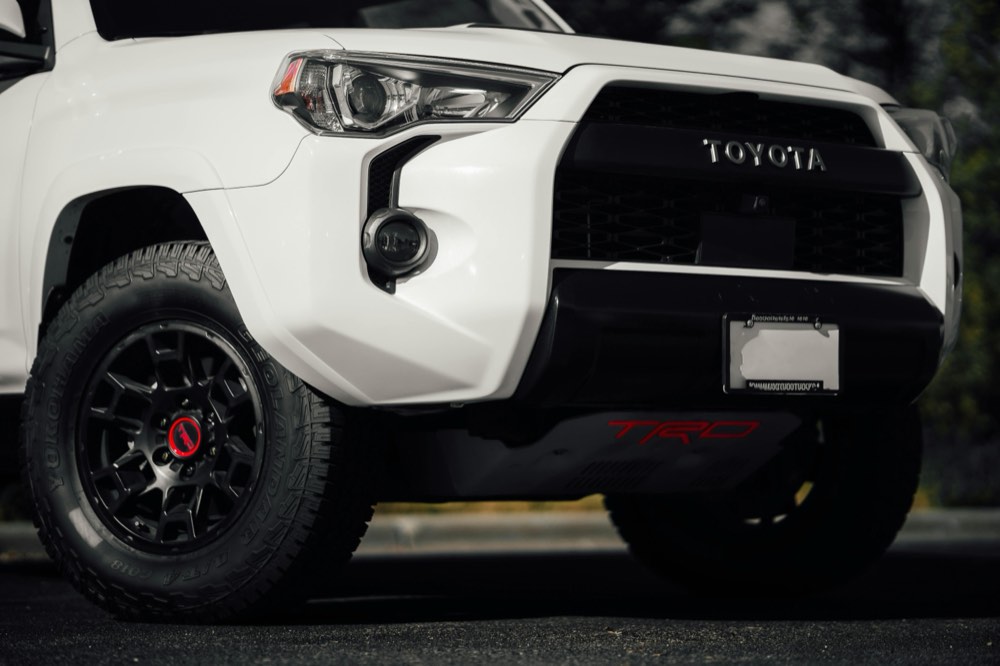
The allure of earning points by paying a car loan with a credit card is strong but the interest on credit card debt can quickly outweigh any rewards. High-interest rates on many cards mean that not paying off the balance quickly can lead to huge interest costs.
These costs can erase any points you might have earned.
Carrying a balance on your credit card after buying a car can become a financial nightmare.
High interest rates and possible fees can transform a smart financial choice into a trap, which is why many borrowers explore a range of credit card payoff methods to minimize long-term costs.
Comparing 30% APR Credit Interest vs. 6-8% Auto Loan Rates
Understanding the interest rate differences is key when considering using a credit card to pay a car loan or comparing options such as debt consolidation and refinancing.
Credit cards can have APRs reaching up to 30%, while auto loans usually fall between 6% and 8%. This significant gap in rates can greatly impact the total cost of owning a vehicle.
Using a credit card to finance a $20,000 car purchase can lead to paying thousands more than an auto loan with a 6-8% rate. The higher the interest rate, the more interest you'll pay each month.
This can quickly add up, making the total cost of the vehicle much higher.
See how Apriority can help you minimize debt and build wealth:
How Paying in Full Differs from Financing a Balance
Paying the full balance on a credit card before interest accrues can prevent additional costs, a principle central to debt optimization strategies.
Failing to do so can result in growing debt.
If you choose to use a credit card for a car loan, paying it off immediately is critical, just as borrowers who transfer balances strategically aim to minimize interest exposure.
On the other hand, financing a balance without timely repayment can lead to substantial compounded interest. This can turn your car purchase into a significant financial burden.
Can Reward Points Make It Worth It?
Buying a car with a credit card might seem appealing because of the chance to earn reward points or cashback. Yet, it's vital to grasp the true value of these rewards against the total costs.
Acquiring a car with a credit card can lead to substantial miles or cashback. For instance, a $20,000 car purchase could garner notable rewards if your card offers 1-2% back. This equates to $200-$400, which might initially seem appealing.
2% Rewards Don't Offset 20% Interest
Despite the charm of rewards, the high-interest rates on credit card balances can swiftly cancel out any benefits.
If your card has a 20% APR, the interest on an unpaid balance can outstrip the rewards earned. This makes paying for a car with a credit card potentially more expensive if not managed wisely.

Exploring refinancing or seeking preapproval are smart moves to cut down car loan costs. These strategies can lead to better interest rates and loan terms. This way, you save money in the long run.
Refinancing or Preapproval Lowers Rates
Refinancing means getting a new loan to replace an old one, hopefully at a lower rate. It can significantly reduce your monthly payments and the total loan cost. Preapproval, on the other hand, secures a better rate before you buy a car. It shows you're financially prepared, making lenders more likely to offer good terms.
Using Debt Optimization to Find Better Auto Loan Terms
Debt optimization treats all debts as a portfolio that needs constant management. By optimizing your debt, you might find better car loan rates or more competitive terms. This approach ensures your debt works in your favor.
How Apriority Helps You Pay Less Interest Over Time
At Apriority, we aim to prevent borrowers from overpaying on loans. Our services include monitoring loan rates and optimizing debt. With tools to find the best rates, we aim to lower your interest payments and improve your financial health. Instead of using credit cards for car purchases, these strategies keep you financially ahead.
How Credit Card Purchases Affect Long-Term Wealth
Choosing to pay for a car with a credit card has significant implications for your financial future. High credit card balances can severely impact your ability to achieve long-term financial goals and lead to family troubles, work stress and overemployment. It's essential to understand these effects before making such a purchase.
The Better Path to Financial Freedom
Achieving financial freedom begins with informed decisions on managing purchases and debt. When buying a car, understanding financing options is key to your financial health. The allure of using a credit card can be misleading. High interest rates can negate any rewards, turning convenience into a costly error.
Instead of using credit cards, look into lower-interest auto loans, refinancing, and preapproval. These options can lead to more affordable monthly payments and lower interest costs. This approach helps avoid high-interest debt, allowing you to focus on wealth and stability.
The aim is to pay for your car in a way that benefits your finances. Avoiding high-interest credit card debt and choosing smarter financing options is essential. This ensures you manage expenses well and build a strong economic future. The path to financial freedom lies in making decisions that prioritize your long-term interests.
See how Apriority can help you do that:
FAQ
Can you buy a car with a credit card while keeping costs down?
Yes, but it requires careful planning. To avoid high interest rates, pay off the balance quickly. This prevents a high balance from negatively impacting your credit score.
Why do many dealers cap card payments at $5,000 or less?
Dealers cap credit card payments around $5,000 to manage financial risks and fees. This cap helps secure their financial transactions more effectively.
How do card limits and utilization ratios affect credit scores?
High credit utilization, like making a large purchase near your limit, can lower your credit score. It increases your credit utilization ratio significantly.
How does credit interest compare to auto loan rates?
Credit card interest rates are often around 30%, much higher than auto loan rates. Auto loan rates usually range from 6% to 8%. This makes auto loans a more cost-effective option for financing a car.
How does paying in full differ from financing a balance?
Paying in full avoids interest charges. Financing a balance on a credit card leads to substantial interest payments. This increases the overall cost of the car.
Can reward points make buying a car with a credit card worth it?
While rewards are appealing, high interest rates on remaining balances often outweigh the benefits. It's essential to repay quickly to take advantage of rewards.
How can refinancing or preapproval lower car loan rates?
Refinancing and preapproval help secure lower interest rates by leveraging your creditworthiness. They allow you to compare loan options, leading to more favorable terms and reduced financial burden.
How does debt optimization help find better auto loan terms?
Debt optimization tools continuously monitor for better loan rates and terms. They help you refinance at lower rates, reducing the interest paid over the loan's life.